Cooking Tips
Turmeric Powder: Everyday Uses and How Much to Add
19 August 20264 min read
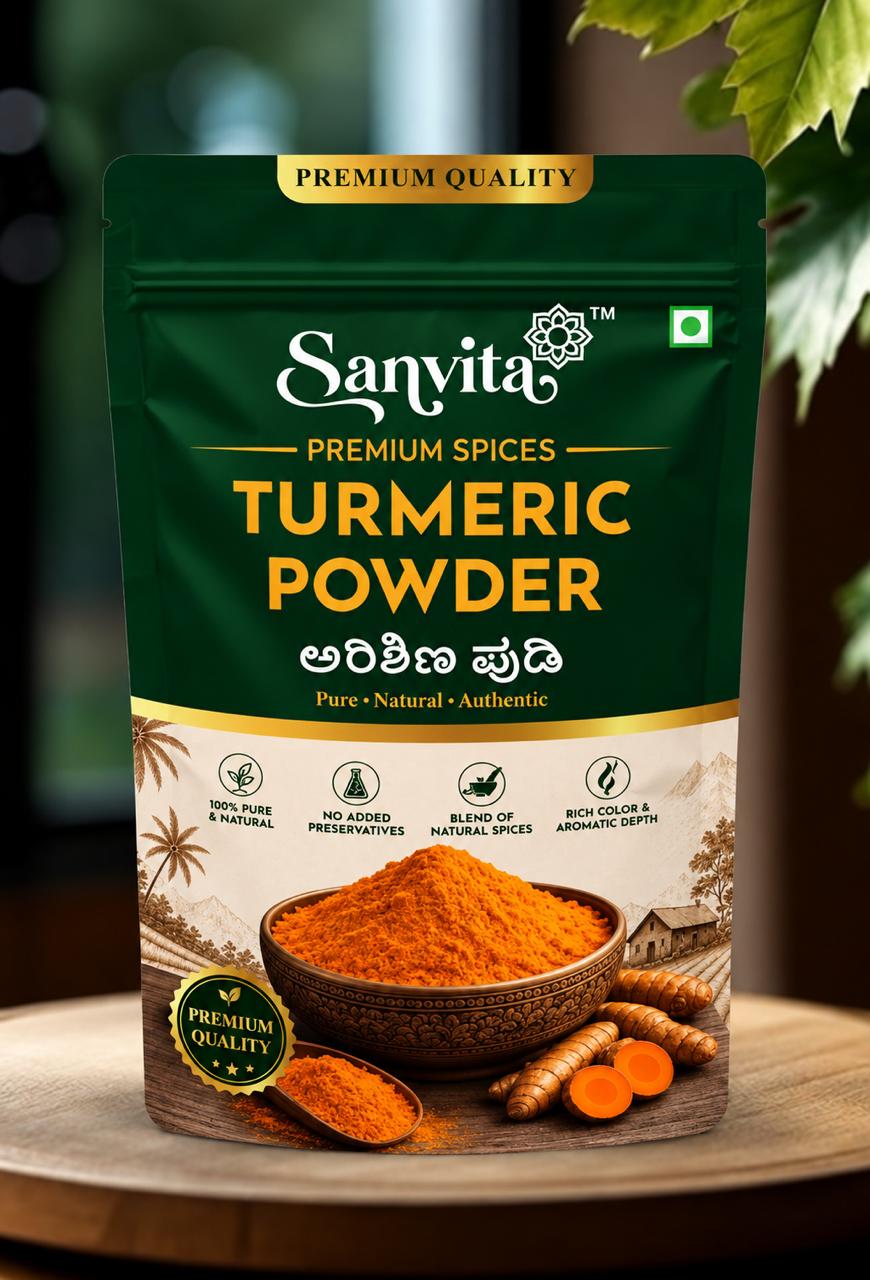
Turmeric is the quiet base note of Indian cooking. Used well, it gives colour and gentle earthiness; overused or added too late, it turns bitter and dusty. Here is how to place it correctly in everyday dishes.
Add it early, with fat
Turmeric needs a little oil or ghee and a few seconds of heat to release its colour. Add it to the tempering along with onions or straight after the cumin splutters, then continue with your other spices.
How much per dish
Less is more with turmeric — it should support the dish, never lead it.
- Dal for four people: a level quarter teaspoon.
- Dry sabzi: a quarter teaspoon per 250g of vegetables.
- Marinade for a kilo of chicken or paneer: half a teaspoon with curd and salt.
- Rice, khichdi or sambar: a generous pinch is enough for colour.
Keeping the gold in your turmeric
Light and moisture are turmeric's enemies. Store the powder in an opaque airtight jar in a cool cupboard, always use a dry spoon, and refill from a sealed pack rather than leaving a large pouch open on the counter.
Frequently asked
- Why does my food taste bitter after adding turmeric?
- Usually too much powder, or turmeric added to a dry hot pan and scorched. Add it with oil, in small amounts, and stir immediately.
- Can turmeric replace red chilly powder for colour?
- No. Turmeric gives a golden tone and mild earthiness, while chilly powder gives red colour and heat. Most Indian dishes use both together.