Spice Guides
Garam Masala vs Curry Powder: What's the Difference?
These two blends are often treated as interchangeable, but they play opposite roles in a pan. Knowing which goes in first and which goes in last changes how a dish tastes.
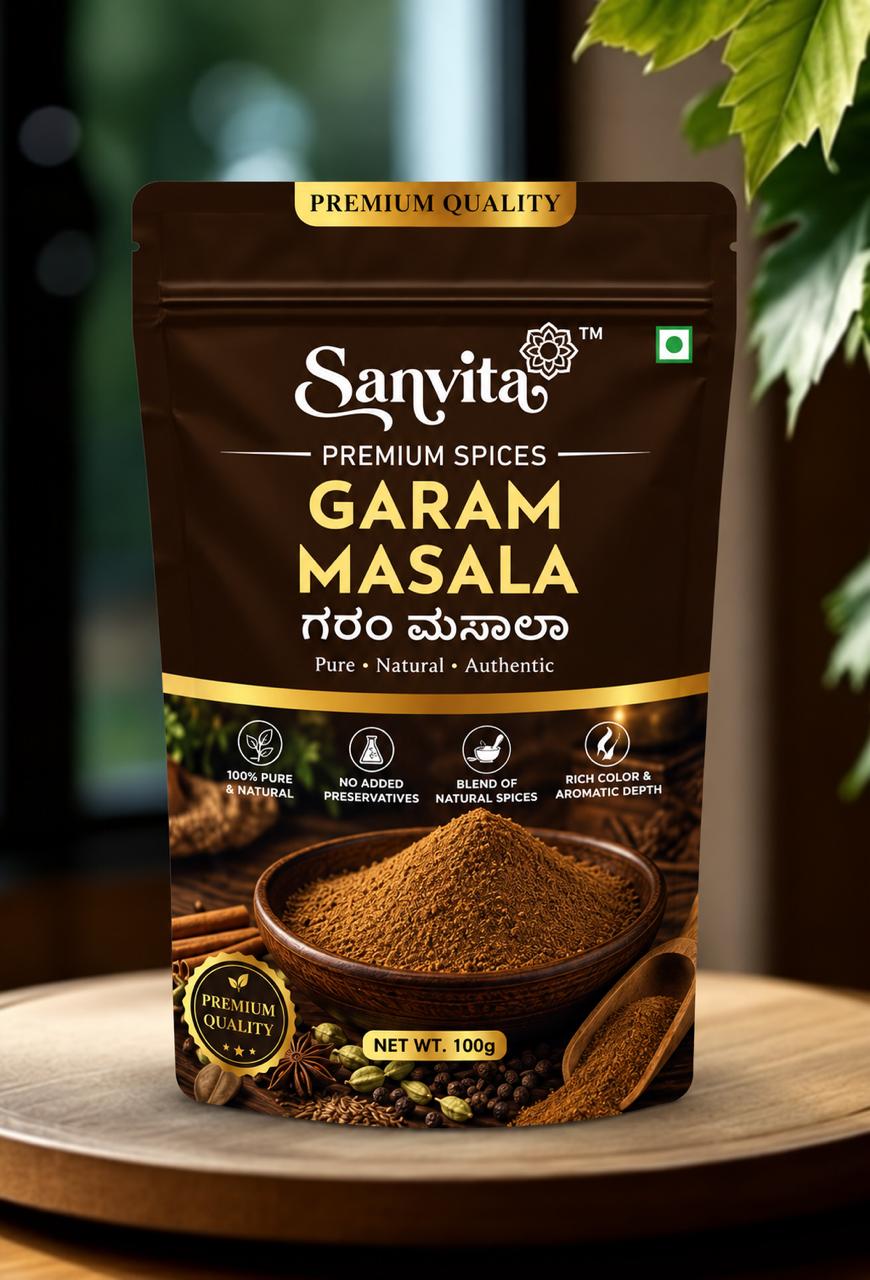
What garam masala is
Garam masala is a warm, aromatic blend built around cardamom, cloves, cinnamon, black pepper and bay leaf. It is a finishing spice: stirred in during the last few minutes so the aroma stays intact rather than cooking away.
What curry powder is
Curry powder is a turmeric-led mix, usually with coriander, cumin and mild chilli, made to season a dish from the start. It is closer to a ready-made base than to a traditional Indian finishing masala.
When to use which
- Building a curry base: turmeric, coriander and chilly powder early in the oil.
- Rounding off a gravy, biryani or pulao: a small spoon of garam masala at the end.
- Never substitute one for the other in equal amounts — garam masala is far more aromatic and easily overpowers a dish.
A simple everyday order of spices
Temper whole spices, add turmeric with the aromatics, then coriander and red chilly powder with the tomatoes, cook the masala through, and finish with a pinch of garam masala and fresh coriander leaves off the heat.
Frequently asked
- How much garam masala should I use?
- Around a quarter to half a teaspoon for a curry serving four, added near the end of cooking.
- Can I add garam masala at the beginning?
- You can, but most of its aroma will cook off. Adding it late is what makes the difference noticeable.